
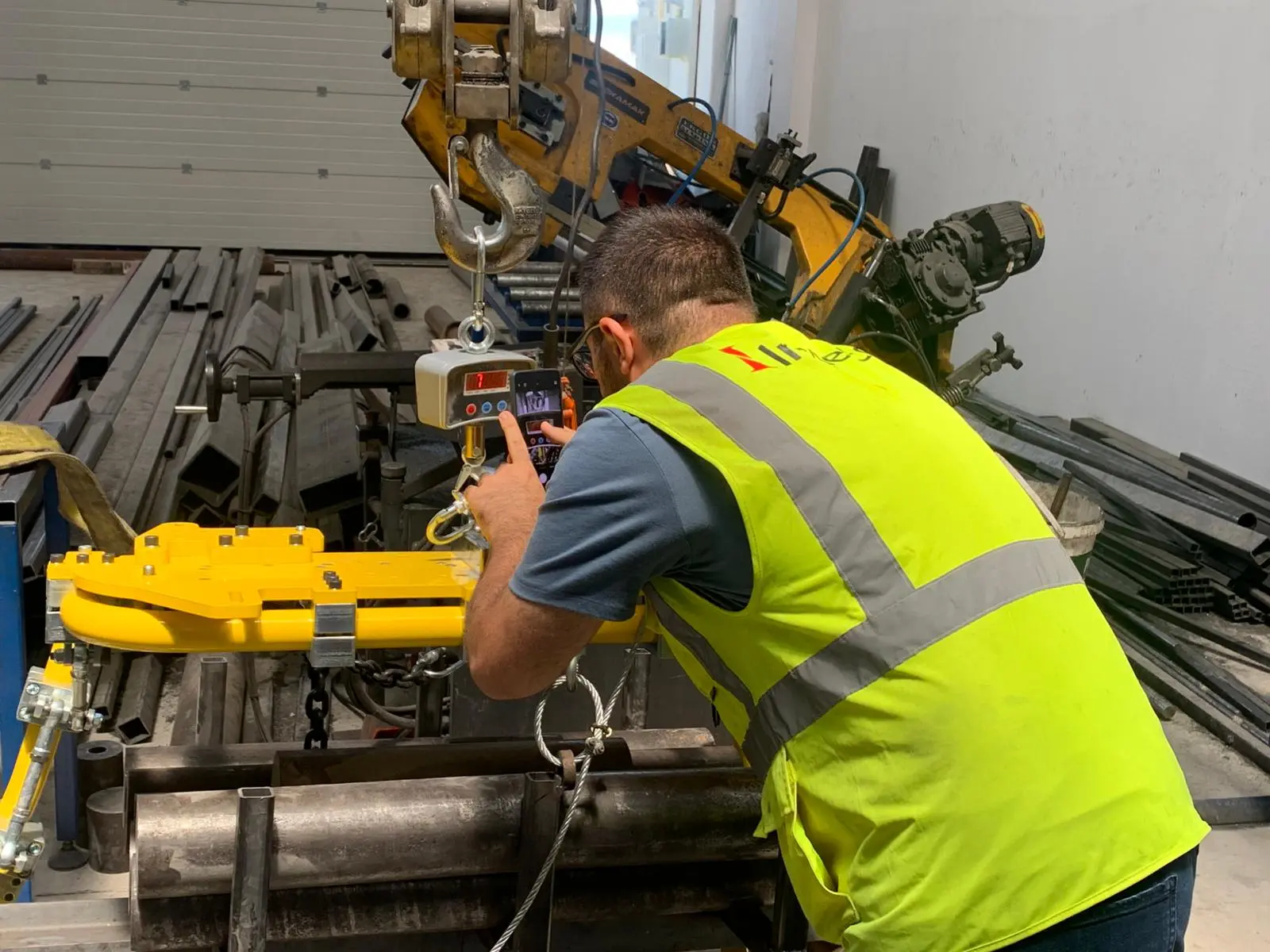
Soyerpek Manipulator Maintenance Guide 2025: Life Extension and Cost Optimization
Soyerpek industrial manipulators form the backbone of production lines: ideal for high efficiency, precision, and repetitive tasks. As Soyerpek, we know that without proper maintenance, unexpected downtime, high repair costs, and early equipment renewal requirements can arise. For comprehensive information on manipulators, see our guides on what is an industrial manipulator and key advantages of manipulators. This comprehensive guide provides step-by-step easy-to-implement maintenance and preventive measures that will extend the life of your Soyerpek manipulators, reduce failure risk, and lower your total cost of ownership (TCO).
Soyerpek Maintenance Philosophy: "Preventive maintenance is always more economical and effective than reactive repair. Maintaining optimal performance of our customers' manipulators is our priority."
Why is regular maintenance essential?
- Maintains production continuity; reduces unplanned downtime.
- Increases safety; reduces worker risk and workplace accidents.
- Maintains equipment efficiency and precision.
- Reduces maintenance costs and spare parts consumption in the long term.
- Optimizes maintenance budget with predictive maintenance, improves ROI.
Targeted maintenance strategies (comparison)
- Reactive Maintenance (Repair When Broken): Low initial investment but risk of unplanned downtime and high repair costs.
- Periodic (Preventive) Maintenance: Time/operation-based routines — low risk, easy planning.
- Predictive Maintenance: Real-time maintenance with sensor/IoT data; most efficient but requires initial investment and data infrastructure.
Recommendation: For manipulators on critical lines, combination (periodic + predictive) provides the best balance.
Daily / Shift Checklist (short, operator performs)
- Visual inspection: mechanical damage, fluid leakage, loose connections.
- Functionality of emergency stop buttons and safety barriers.
- Air/gas line connections (if any) and pressure indicators.
- Cleanliness of workpiece holders (grippers) and holding surfaces.
- Abnormal sound / vibration notification (record with operator form).
Weekly / Monthly Maintenance (technician)
- Lubrication: Add/renew according to manufacturer instructions.
- Torque controls of screws, clamps, mounting points.
- Tightness of electrical cable connections and connectors.
- Air filter, pneumatic valve and air dryer checks.
- Sensor calibration control and reference tests.
6-12 Month / Annual Maintenance (comprehensive)
- Accuracy testing and calibration of moving axes.
- Motor winding monitoring, encoder tests and bearing control.
- Gearbox oil change / hydraulic oil analysis.
- Control panel cleaning and thermal camera hot spot scan (if possible).
- Spare parts stock evaluation and critical parts renewal plan.
Most common failures and quick solution suggestions
-
Precision loss / position deviation
- Possible causes: encoder/feedback failure, mechanical wear, loose mounting.
- Quick solution: check encoder connections, run calibration, measure mechanical components if necessary.
-
Excessive heating
- Cause: insufficient lubrication, ventilation blockage or overload.
- Quick solution: clean cooling paths, check oil level, review load parameters.
-
Vibration / sound increase
- Cause: bearing or gear wear.
- Quick solution: detect faulty component with vibration analysis, plan bearing replacement if necessary.
-
Pneumatic/sealing problems
- Cause: seal, hose or valve failure.
- Quick solution: perform sealing tests, replace old seals.
Spare parts and stock management (critical recommendations)
- Create critical parts list: motor, encoder, spare bearing, seal sets, main control unit (PLC/servo drive).
- Determine minimum stock level: 1-2 pieces for critical parts, rotating stock for low-cost consumables.
- Supplier SLA: evaluate fast supply contract or consignment stock options for critical parts.
IoT & Predictive Maintenance: What do you gain?
- With sensor data (vibration, temperature, current), you can detect failures in advance.
- When anomaly is detected, maintenance is automatically triggered; unplanned downtime decreases.
- Provides long-term spare parts cost and labor savings.
- Create 6-24 month ROI scenarios to compensate for initial cost (should be associated with production value of critical line).
Applicable sample maintenance plan (sample table)
| Timing | Responsible | Work to be Done |
|---|---|---|
| Every shift | Operator | Visual checks, report sensor alerts |
| Weekly | Maintenance technician | Lubrication, connection torque control, air filter check |
| Monthly | Maintenance team | Software log check, encoder tests |
| 6 months | Expert | Calibration, gear oil analysis |
| Annual | Service | Comprehensive mechanical/electrical test, parts renewal plan |
Safety and regulation attention
- Keep maintenance and test documentation compliant with machine safety standards like CE, ISO 13849.
- Create signed maintenance report after each maintenance; record serial numbers of replaced parts.
- Apply regular training plan for operators and maintenance personnel.
Quick SEO and content tips (for your site)
- Target keywords: industrial manipulator maintenance, manipulator failure prevention, manipulator maintenance plan.
- Meta description (close to 160 characters): "Practical maintenance plan for industrial manipulators: daily, monthly, annual checks; failure prevention and life extension tips."
- Internal link suggestion: link this article to "Selection Guide" or "Advantages of Manipulators" articles.
- Structured data: add FAQ section (at bottom of page) — useful for search snippets.
Frequently Asked Questions (Short answers)
Q: How often should manipulator maintenance be done?
A: According to your critical line; daily visual, weekly lubrication, monthly check, annual comprehensive maintenance is recommended.
Q: Is starting predictive maintenance expensive?
A: Requires initial investment but can pay for itself within 6-24 months if critical downtime costs are high.
Q: What should operator daily checks include?
A: Visual damage check, emergency stop tests, abnormal sound/vibration notifications and gripper cleaning.
Conclusion — Extend life, reduce costs
A regular, documented and measurable maintenance program directly affects the performance and service life of your manipulators. Reduce unplanned downtime by combining periodic maintenance with predictive approaches, maintain your production efficiency and optimize your maintenance budget.
Our company provides consulting on manipulator installation, training and maintenance contracts. Let's prepare the maintenance plan you need together — contact our expert team today. Contact us or explore our product catalog and reference projects.
Related Articles
- What is an Industrial Manipulator?
- Industrial Manipulator Safety Guide
- Industrial Manipulator Energy Efficiency Guide
- Choosing the Right Industrial Manipulator
- Soyerpek Quality Approach